
Durango People Records
Durango lies in the southwest corner of Colorado with a population near 19,811. To search for people in Durango, you work with La Plata County offices. Most public records for residents here are held by the county clerk, the courts, and other county agencies. The clerk office sits at 1060 E 2nd Avenue in the county seat of Durango. Property deeds, court filings, and marriage records all flow through that office. Many records can be searched online, though some require a visit or written request. Each search method has its own process, and knowing where to look saves time when you need to find information about people in Durango. Records include land titles, civil cases, criminal files, and professional licenses, among others.
Durango Quick Facts
La Plata County Offices Handle Records
La Plata County is where you go for most people search tasks in Durango. The county clerk and recorder keeps land records, marriage licenses, and certain legal documents. This office is at 1060 E 2nd Avenue in Durango, which is the county seat. Office hours run Monday through Friday, typically from 8 a.m. to 4:30 p.m. You can call them at their main number or visit the county website for more details on services and hours.
The clerk office records documents like deeds, liens, and military discharge papers. They also issue marriage licenses. When you search for people in Durango by land ownership or marriage, this is the office that holds those files. Some records go back many years, while others are more recent. Older files may require a book search in person, but many documents are now online. The county clerk provides both in-person service and online access to help you find what you need.
Besides the clerk, other county offices hold different types of records. The La Plata County Assessor keeps property valuation data and ownership records. This helps when you need to know who owns a parcel or what the tax value is. The assessor office is separate from the clerk, so property ownership info and property tax info come from different places. Both are useful for people search tasks in Durango.
| County | La Plata County |
|---|---|
| Clerk Office | 1060 E 2nd Avenue, Durango, CO 81301 |
| Phone | Call county main line or visit website |
| Hours | Monday-Friday, 8 a.m. - 4:30 p.m. (typical county hours) |
| Services | Recording, Elections, Motor Vehicle |
Find People Online with County Records
Many La Plata County records are available online. The county clerk provides a public search portal for land and property records. You can search by name, document type, or date. This is a free tool, though some counties charge a small fee for document copies. The portal shows index data for deeds, liens, marriage records, and other recorded documents. If you know a name, you can run a search and see what documents are on file for people in Durango.
Court records are also searchable online through third-party vendors. The state of Colorado contracts with companies like LexisNexis to provide access to court case files. The site CoCourts.com is one option. It shows case information for civil, domestic, criminal, and traffic matters. You pay per search, and you can view register of action data for each case. This helps when you need to find court cases tied to a person in Durango.
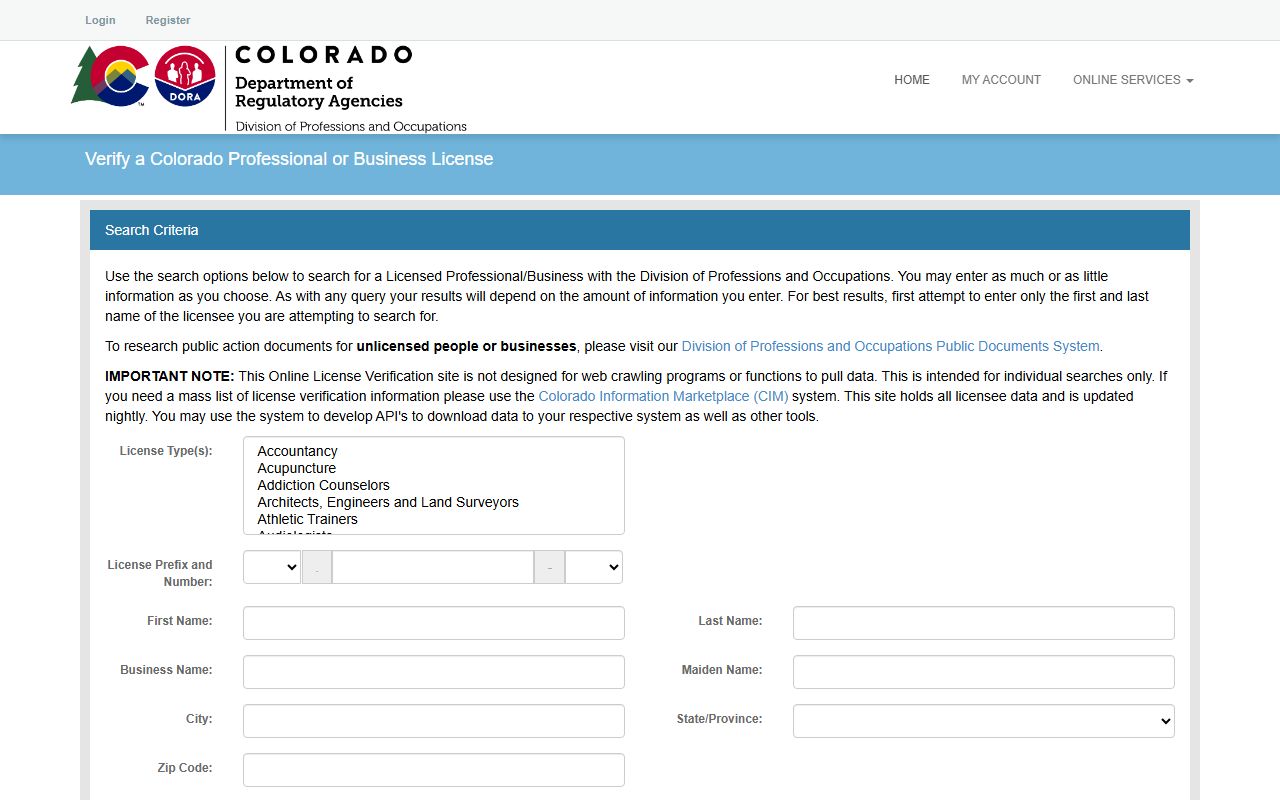
Professional licenses can be searched at the state level. The Colorado Division of Professions and Occupations runs a license lookup at apps2.colorado.gov. You can search by name or business name to see if someone holds a license in fields like health care, trades, or professional services. The database updates nightly and covers all license types issued by the state for people in Durango and across Colorado.
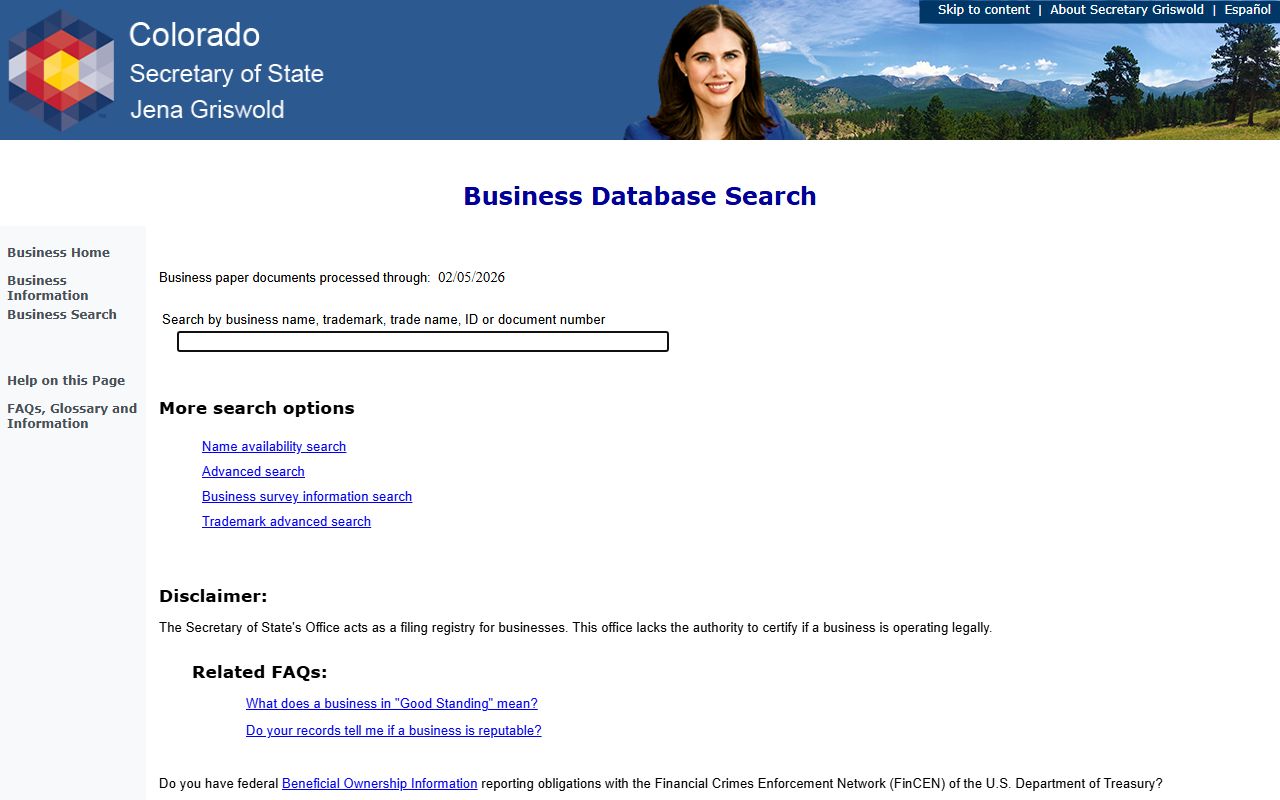
Business entity records are kept by the Colorado Secretary of State. You can search at sos.state.co.us to find business names, owners, and registered agents. This helps when you are looking for a business tied to a person in Durango. The database shows good standing status, filing history, and business addresses. It is a good tool for finding business connections to individuals.
Court Records and Case Files
Durango is served by the 6th Judicial District Court, which covers La Plata and Archuleta counties. The Clerk of Court keeps official case files for civil, criminal, domestic, and probate matters. The main courthouse is in Durango at the county seat. If you need to search for court cases involving people in Durango, you start with the Clerk of Court office.
Most court records are public under Colorado law. Chief Justice Directive 05-01 governs access to court files. Some records are sealed or restricted, like juvenile cases or certain family law files. But most civil and criminal cases can be viewed by the public. You can request records in person, by mail, or through the online vendor. If you visit the courthouse, bring the case number if you have it. That makes the search faster and easier.
To find case numbers, use the online search tool at CoCourts.com. Pick La Plata County from the county list. Enter a name in the search box. The site will show matching cases with case numbers, filing dates, and case types. You can see the register of action for each case, which lists all the filings and hearings. If you need copies of documents, contact the Clerk of Court directly. They can provide certified copies for a fee when you need records for people in Durango.
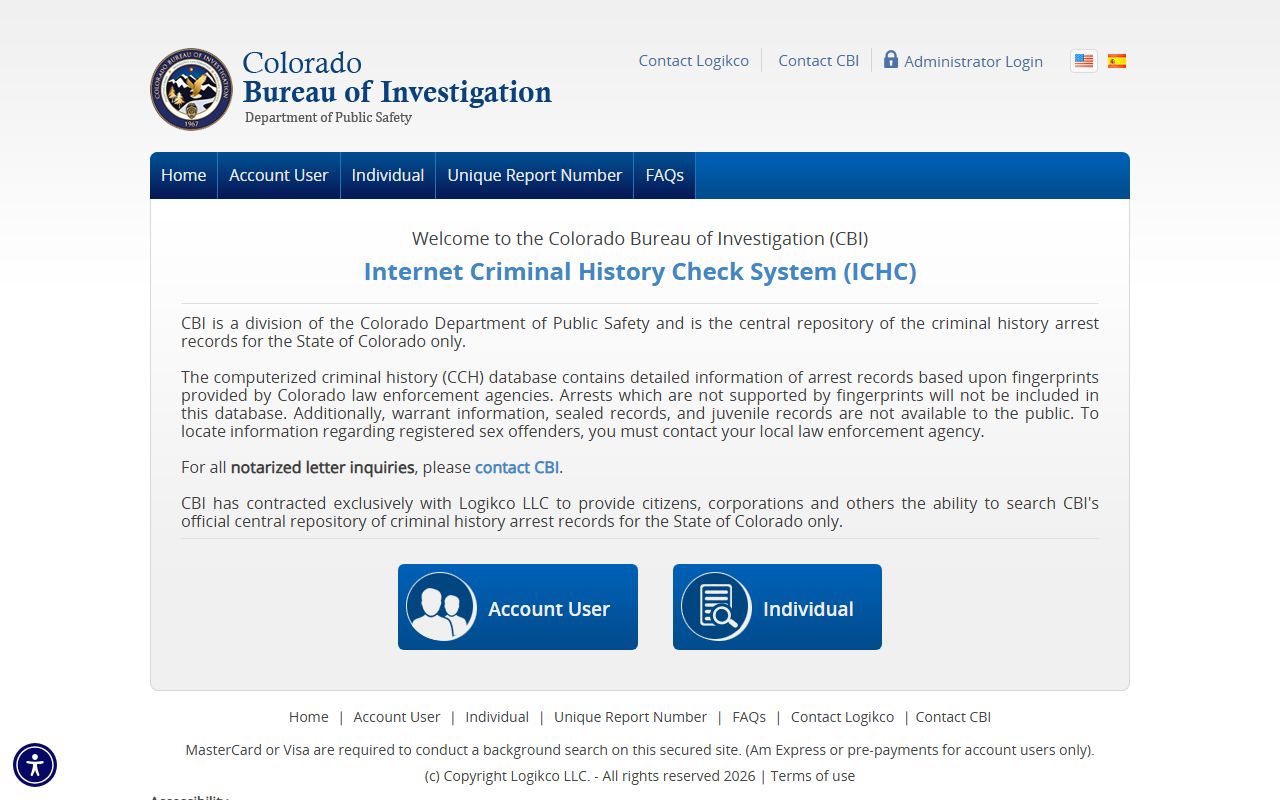
Criminal history checks are handled by the Colorado Bureau of Investigation. The CBI runs a name-based background check system at cbirecordscheck.com. This shows arrest records and criminal history for people in Colorado. The system is run by a contractor called Logikco. You pay a fee per search, and results come back quickly. The database only includes arrests backed by fingerprints, so it does not show every police contact or warrant when you search for people in Durango.
Property and Land Records in Durango
Property records are kept by two offices. The county clerk records deeds, mortgages, and liens. The county assessor values property and maintains ownership records for tax purposes. When you search for people in Durango by property, you may need both offices. The clerk office shows who bought and sold land, while the assessor office shows who currently owns it and what the tax value is.
The clerk office indexes all recorded documents by grantor and grantee. A grantor is the person who gives or sells. A grantee is the person who gets or buys. You can search either name to find property transactions. The index shows the document type, recording date, and reception number. You can then pull up the full document image online or request a copy from the clerk.
The assessor maintains a property database that includes parcel numbers, legal descriptions, and tax assessments. Many counties post this data online for free. You can search by owner name, parcel number, or address. The results show property details like square footage, year built, and assessed value. This is useful when you want to know what someone owns or how much a property is worth in Durango.
Vital Records and Confidential Files
Birth and death records are kept by the Colorado Department of Public Health and Environment. These are confidential under C.R.S. 25-2-117. Only eligible people can get certified copies. That usually means the person named on the record, a family member, or a legal representative. You cannot do a general people search with vital records because the law blocks public access.
To request a birth or death certificate, contact the state vital records office or the La Plata County vital records office. The state office is in Denver at 4300 Cherry Creek Drive South. The county office may be at the county health department. You must provide proof of identity and show your relationship to the person on the record. There is a fee for each copy. Processing time varies, but it often takes a week or more.
Marriage records are different. County clerks issue marriage licenses, and those records are generally public. You can search marriage records at the clerk office by name. Many counties post marriage index data online. The full marriage license may be available as an image, or you can request a copy for a small fee. This is one of the easier records to access when you search for people in Durango.
Voter Registration and Elections
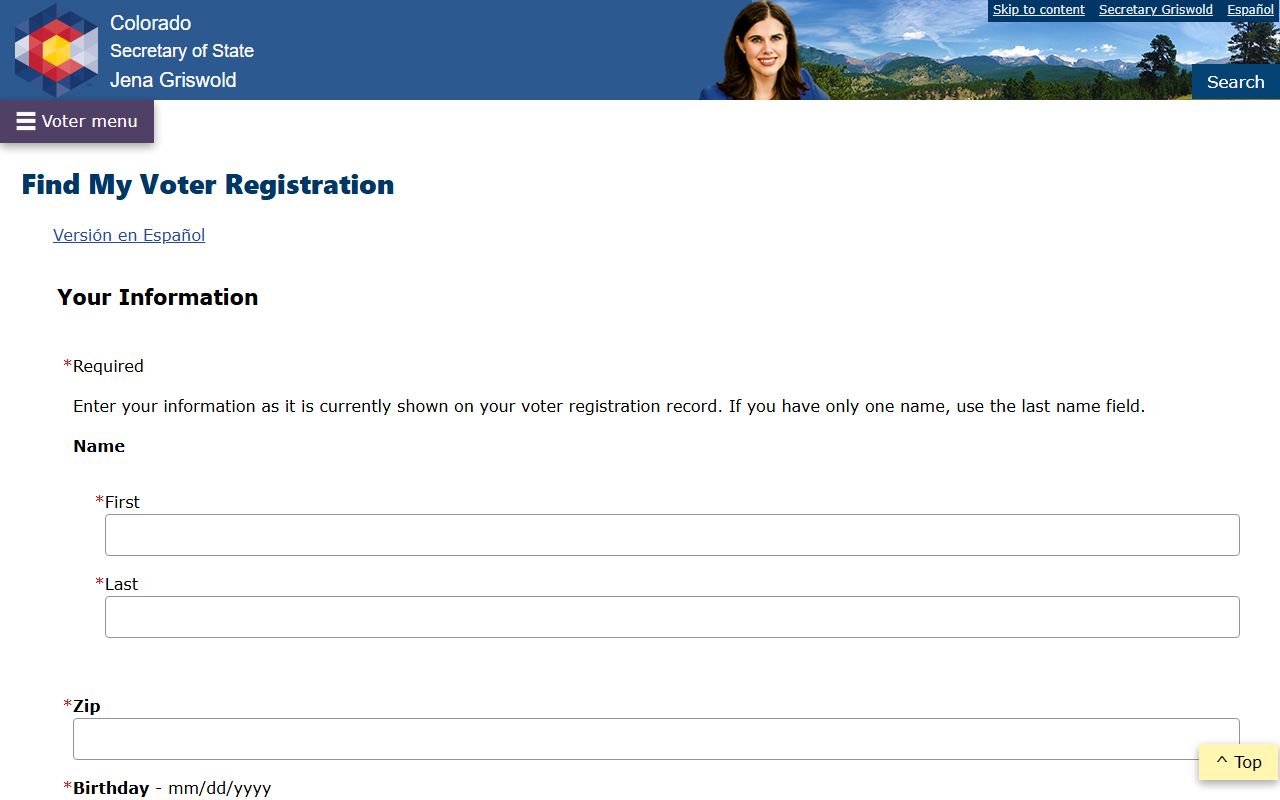
Voter registration data is managed by the county clerk as the local election official. You can verify your own voter registration at the Secretary of State website. The lookup tool at sos.state.co.us lets you check if you are registered, what precinct you are in, and where your polling place is. You need your name, date of birth, and zip code to use this tool.
Voter registration records are generally public under Colorado Open Records Act, though some details like your driver license number and Social Security number are kept confidential. If you want to request voter data for research or campaign purposes, you must contact the county clerk. They can provide lists of registered voters in certain formats. There may be a fee for this service, and you must agree not to use the data for commercial purposes.
Public Records Requests Under CORA
The Colorado Open Records Act lets any person request public records from government offices. CORA is found in C.R.S. 24-72-201 to 206. If you cannot find what you need online, you can submit a written CORA request to the office that holds the records. Most offices respond within three working days, though they can take up to ten days if they need an extension.
To make a CORA request, you should identify the records you want as clearly as possible. Include details like names, dates, and document types. Send your request to the custodian of records for that office. For La Plata County Clerk records, send your request to the clerk office. For court records, send it to the Clerk of Court. Each office has its own custodian, and you must send the request to the right place.
There may be fees for research and copying. The first two hours of research are often free under CORA, and then offices can charge a fee per hour after that. Copy costs are usually 25 cents per page. Certified copies cost more. If the records are already available online for free, the office may direct you to the website instead of fulfilling a formal request when you search for people in Durango.
- Identify records clearly in your request
- Send request to the correct custodian
- Allow three to ten working days for response
- Expect fees for research and copies
- Check online systems before making formal requests
Note: Some records are exempt from CORA, like criminal investigative files, attorney work product, and trade secrets.
More Ways to Search for People
Beyond county offices, there are other ways to find info about people in Durango. Federal court records are available through PACER, the Public Access to Court Electronic Records system. If someone was involved in a federal case, you can search PACER by name. There is a fee per page, but you can see case files from U.S. district courts, bankruptcy courts, and appellate courts.
The Colorado Department of Corrections runs an inmate locator at co.colorado.gov/locate-inmate. This helps you find someone who is in state prison. You can search by name or inmate number. The results show the facility where the person is held, their sentence, and their projected release date. This tool does not cover county jail inmates, only state prison inmates.
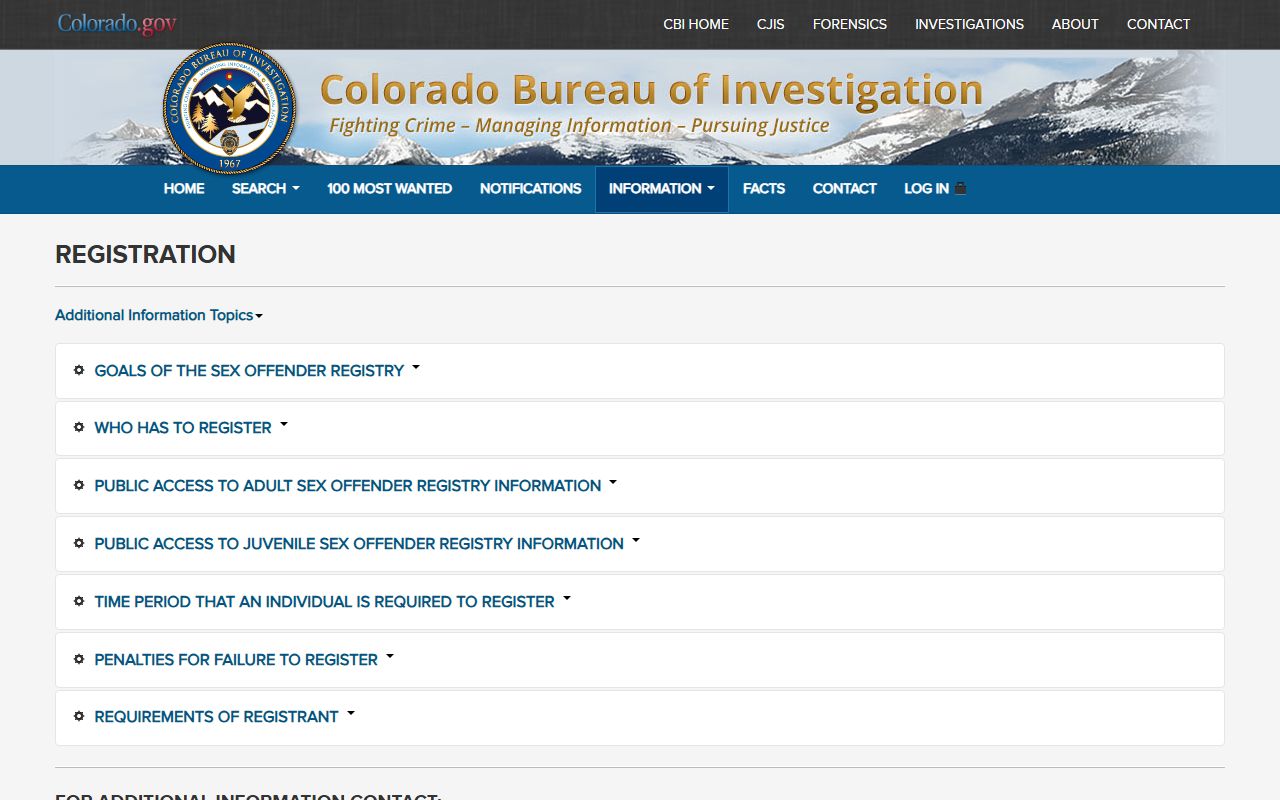
Sex offender registry data is available through the Colorado Bureau of Investigation. The site at apps.colorado.gov explains how to request a list of registered sex offenders. You can request a list by mail or in person. The fee is twenty dollars. The list includes names, addresses, and offense details for people who are required to register. This is a public safety tool, and you must agree not to use it for harassment or pecuniary gain.
Professional boards and licensing agencies also keep records. If you are looking for a doctor, lawyer, or other licensed professional, check the state licensing board for that profession. Many boards post disciplinary actions and license status online. This helps when you need to verify someone's credentials or check for complaints against a licensed professional in Durango.
Nearby Cities
Durango is the largest city in La Plata County. There are no other cities over 10,000 population in this county. If you need to search for people in other parts of southwest Colorado, you may look to nearby counties like Montezuma County or San Juan County. Those counties have their own clerk offices and court systems. Records are kept separately by each county, so you must contact the right county for the records you need.